Click here to follow us on

Who’s Ready to Explore?

Dive into fun resources, tools, and communities to spark a love of reading.

Kid’s Corner

Dive into a world of stories, games, and activites! Explore More >
Teaching Toolkit

Empowering young mind’s with our resource’s! Explore More >
Supporter’s Hub

Discover how your generosity can make a difference! Explore More >

Parent’s Place

Discover tips, tools, and fun ideas to support your little reader! Explore More >

Reading CLub

Build your skills with expert resources and exciting workshops Explore More >

Training Hub

Join the adventure with books, buddies, and reading fun! Explore More >

Stories to Read

Discover amazing stories full of Africa’s colours and magic!

New Filter

Stories to Listen To

Listen to amazing audio stories from Africa’s bold and beautiful culture!

Choose language

Stories to Watch

Listen to amazing audio stories from Africa’s bold and beautiful culture!

Activity Sheets & Printables:

Unleash Your Imagination with Exciting Printables and Activities!

Here’s the Story:

Inspiring a Love for Reading

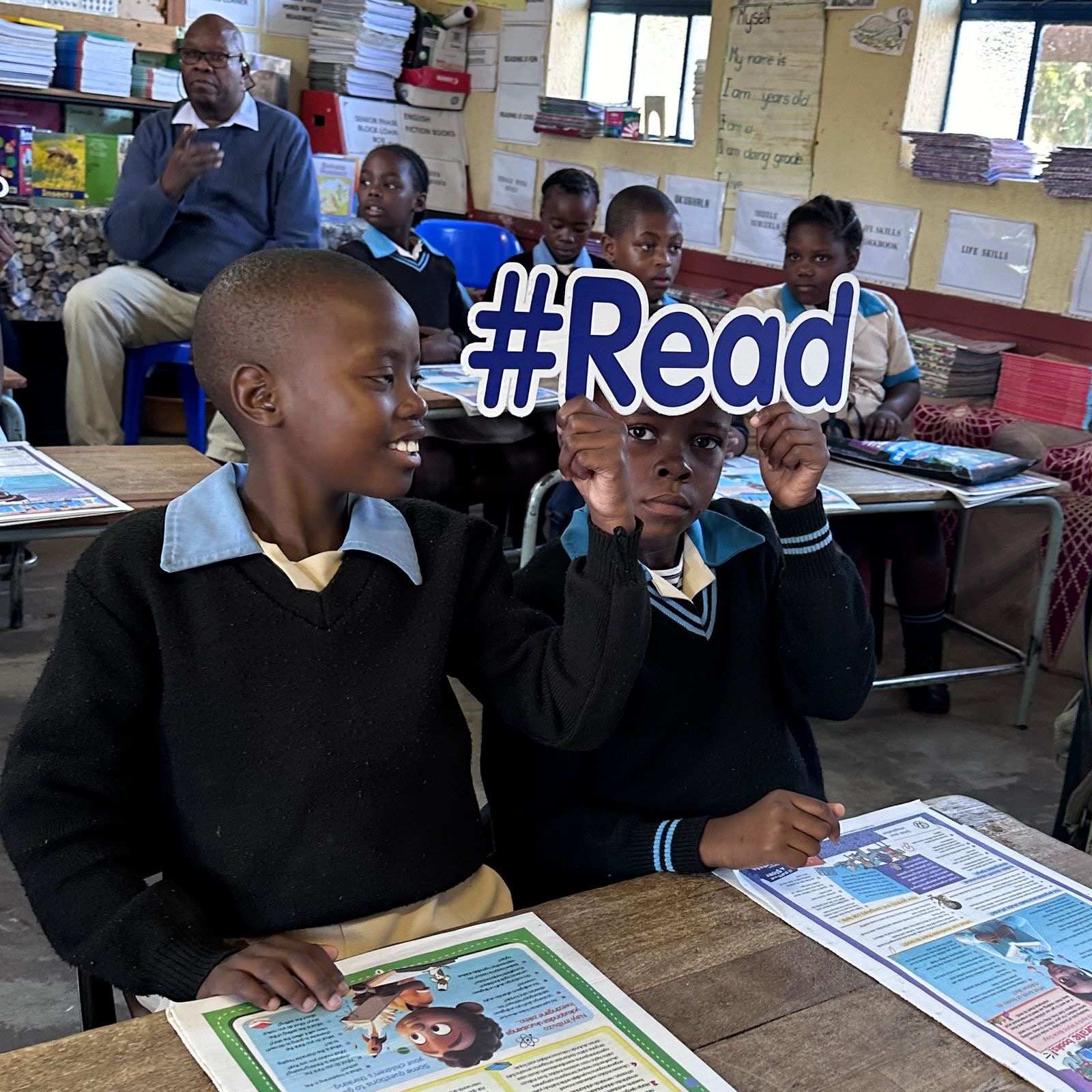
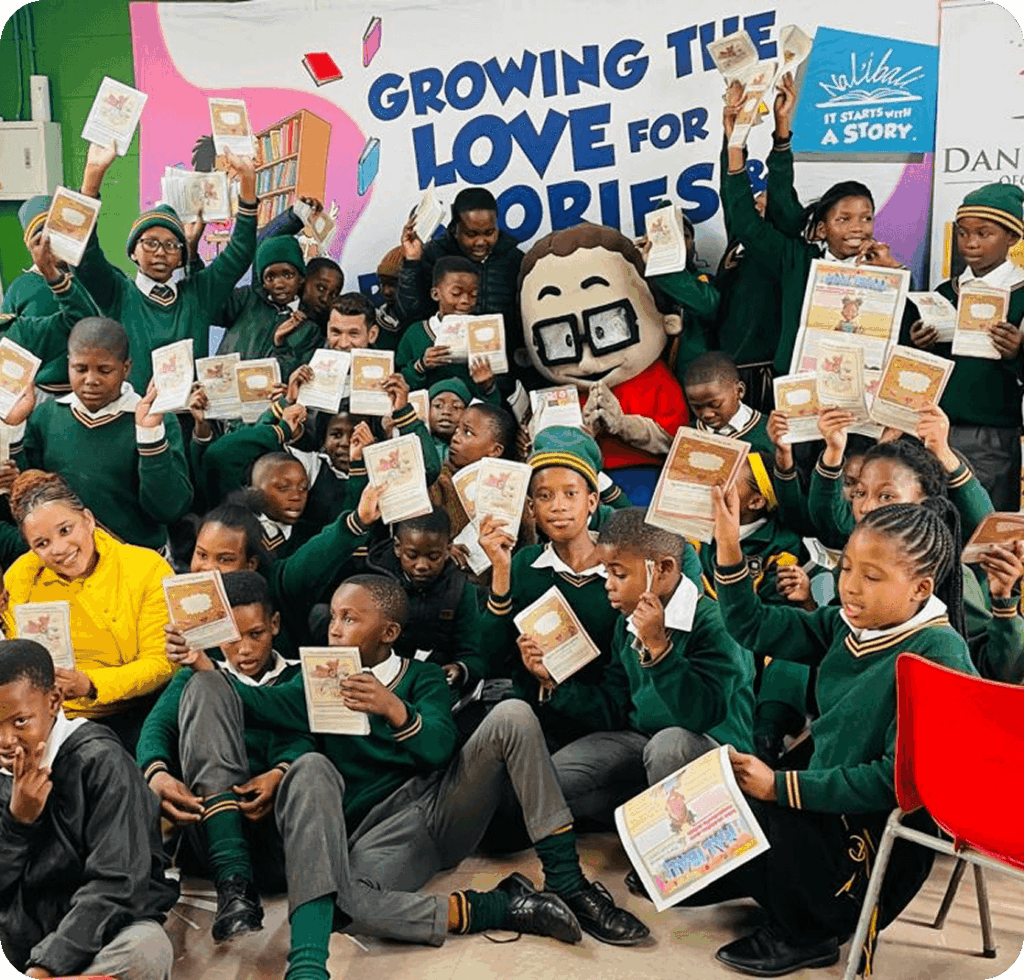
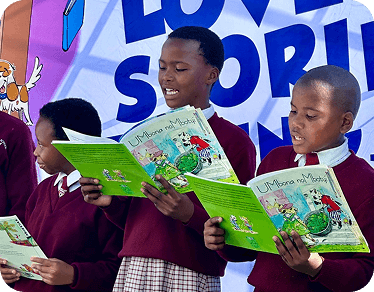
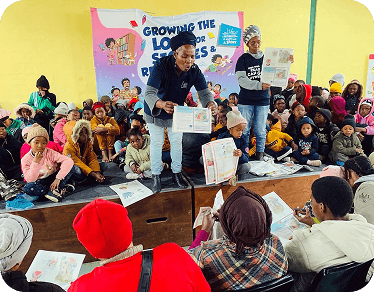
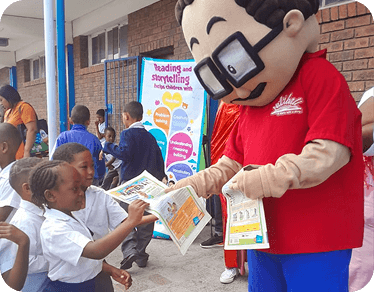
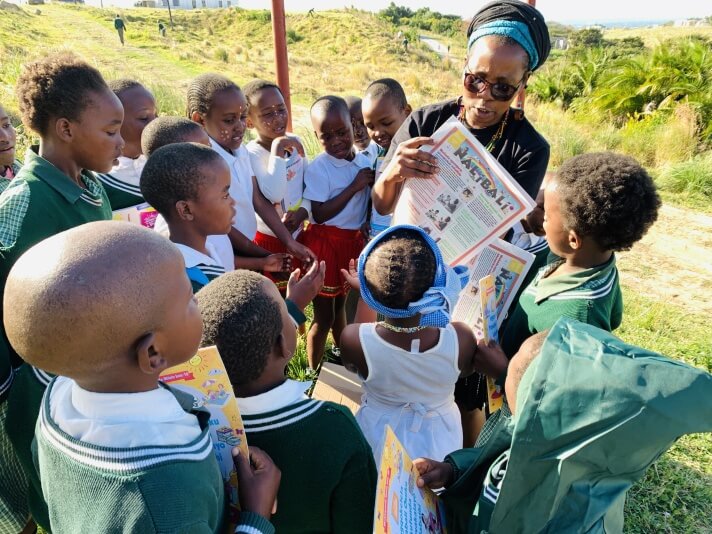
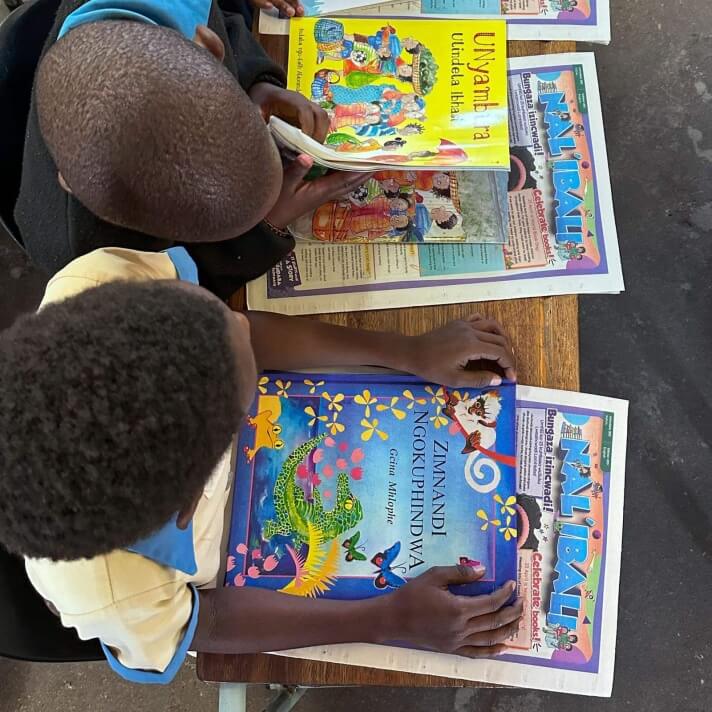
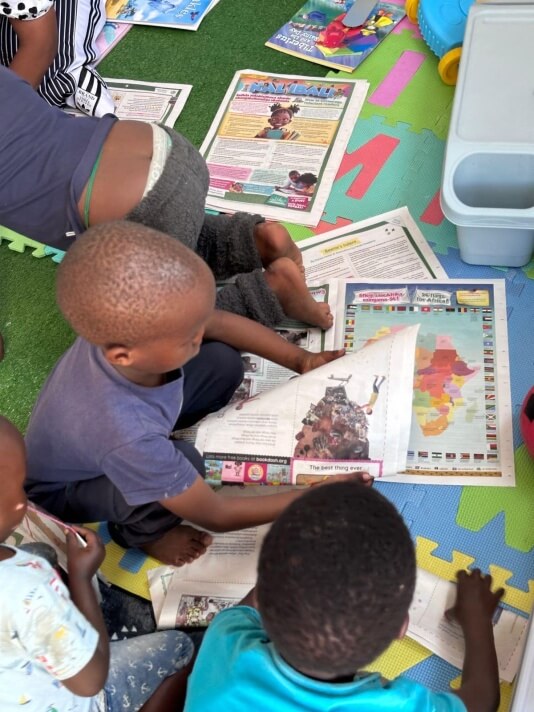
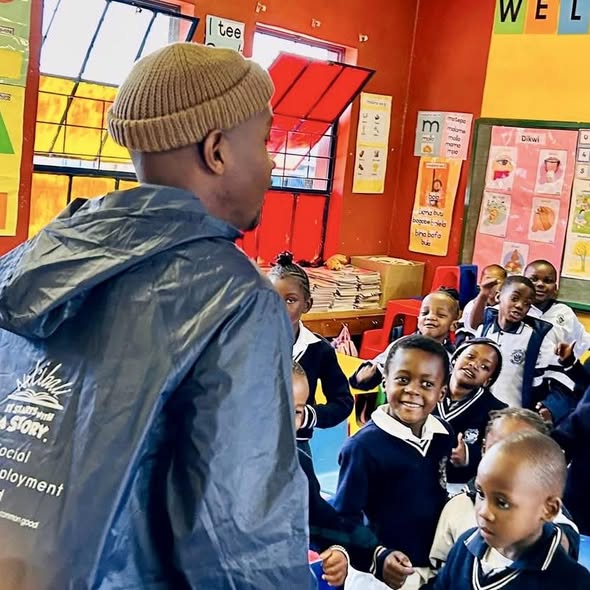
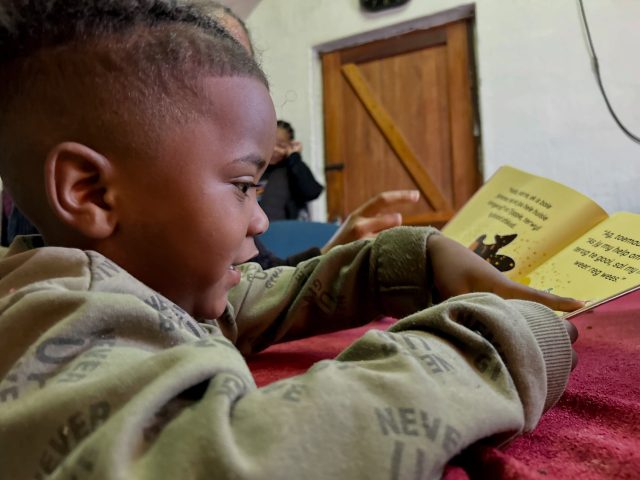
Nal’ibali (isiXhosa for “here’s the story”) is South Africa’s national reading-for-enjoyment campaign, inspiring children aged 0–12 to love reading with stories in all South African languages. By promoting home languages, Nal’ibali helps children build literacy skills and develop a lifelong reading culture. Adults play a key role in nurturing this love of stories and supporting children’s growth.

Our Campaigns

This is where Nal’ibali’s work on the ground comes to life, bringing the love of stories to children all over the country.

Inspiration in Action

Catch our latest moments, stories, and inspiration straight from Instagram.

@nalibalisa
Nal'ibali

@nalibalisa

Nal'ibali is a reading-for-enjoyment campaign that sparks children's potential through storytelling and reading.
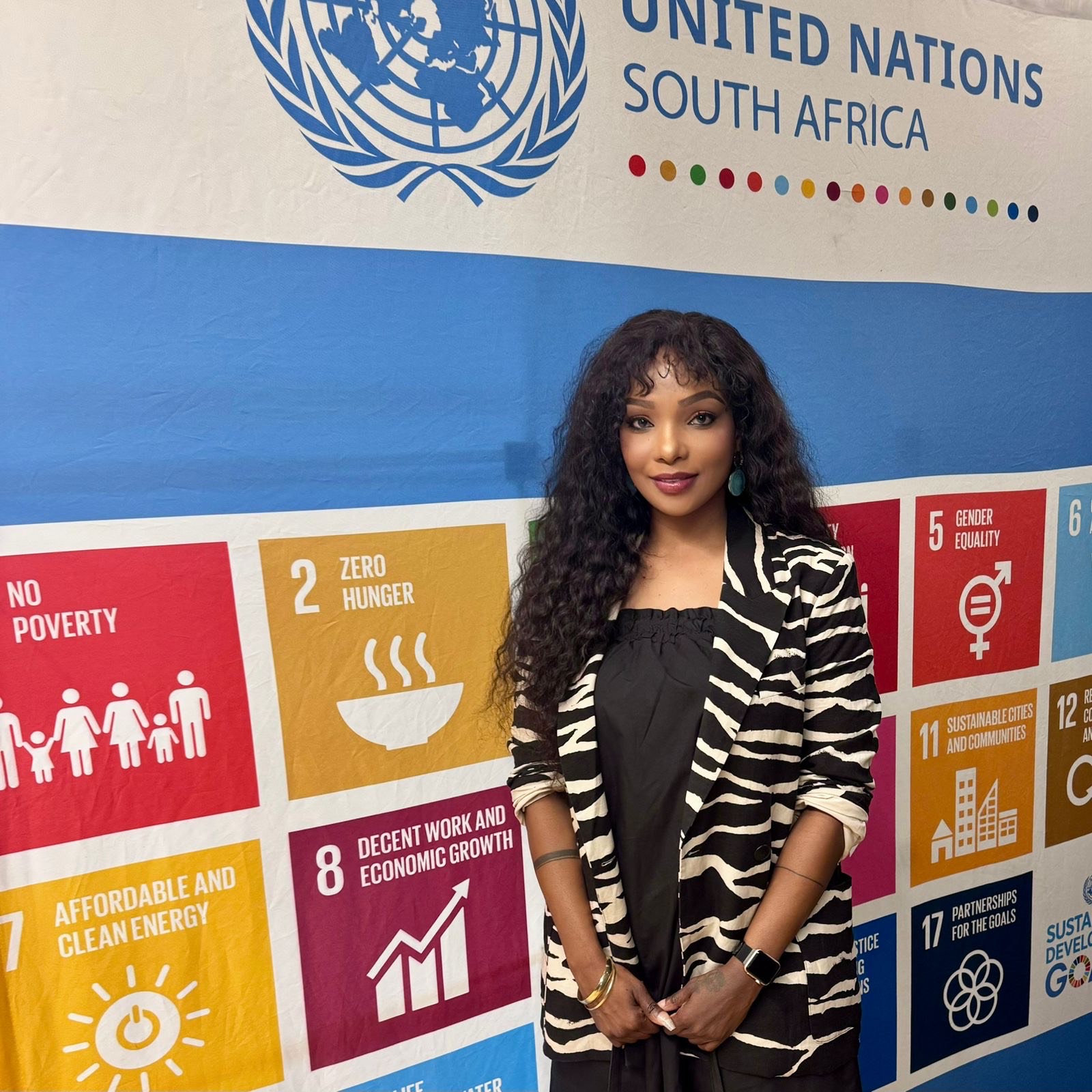
  • Introducing one of our panellists, Dr Dolly Dlavane, South African academic and language advocate.

Dr Dolly Dlavane is a prominent South African academic and language advocate specialising in the development and promotion of African languages, particularly Setswana. 

She currently serves as Director of the Centre for African Language Teaching (CALT) at North-West University (NWU) and as Deputy Chairperson of the Pan South African Language Board (PanSALB), a constitutional body tasked with protecting and promoting South Africa’s official languages. 

Within PanSALB, she chairs the Core Mandate Committee, overseeing the board’s primary constitutional functions, and was reappointed in April 2025 for a second five-year term.

With over two decades of experience in language planning and education, Dr Dlavane previously served as Director of the Setswana National Language Body (2011–2019) and Deputy Chairperson of the Setswana Lexicography Unit (2005–2010). She is also the Subject Head for African Languages within NWU’s Faculty of Education.

Her academic qualifications include a PhD in Reading Literacy, an MA and BA Honours in Setswana from UNISA, and a BA from the University of the North. 

Dr Dlavane’s research and advocacy focus on the intellectualisation of African languages, promoting their use in scholarship and science, supporting multilingual pedagogy, and developing instructional frameworks for reading literacy in African languages. 

She is also a strong advocate for the UNESCO International Decade of Indigenous Languages (2022–2032), working to safeguard South Africa’s linguistic heritage.
  • Introducing one of our panellists, Kirsty Paxton, children’s author and educational specialist.

Kirsty is a Cape Town-born children’s author and educational specialist currently based in Canada, widely recognised for her expertise in early childhood development (ECD) and play-based learning. With a BSc and PGCE from the University of Cape Town, along with advanced studies at the University of Toronto, Kirsty’s career bridges academic research and creative storytelling.

Kirsty currently serves as Early Learning and Learning Design Head at SmartStart South Africa, where she leads the design and strengthening of early learning programmes at scale. She has also contributed to early learning strategies for global organisations such as the LEGO Foundation and Right To Play. In addition, Kirsty founded Artee Parteez, a company dedicated to “edutainment” through art and science.

Kirsty’s literary work is deeply rooted in African themes and the transformative power of imagination. 

Beyond fiction, she is a published researcher in the American Journal of Play, where she advocates for guided-play writing workshops. 

Her work highlights how playful, student-directed learning can help address educational challenges in developing contexts, positioning her as a leading voice in integrating play into primary education.
  • Introducing one of our panellists, Maserame Mouyeme (née David), African languages expert.

Maserame Mouyeme has played a pivotal role within the African Academy of Languages (ACALAN), a specialised agency of the African Union (AU) dedicated to promoting and developing African languages. She currently serves on the African Languages Week Coordinating Committee for ACALAN-AU, a five-year commission focused on celebrating and institutionalising African Languages Week, raising the profile of indigenous languages in education, science, and government.

Her work combines strategic leadership and advocacy, leveraging her corporate background to strengthen ACALAN’s impact across the AU’s Sixth Region (the African Diaspora) and championing cross-border languages such as Kiswahili, IsiZulu, and Arabic to advance African integration and Agenda 2063 goals.

Maserame has represented the AU Social Affairs Department at high-level forums, including the Pan African Cultural Congress, working alongside diplomats and heads of state to promote people-centred development. Her leadership and influence in pan-African language advocacy were recognised when she was named among the 100 Most Reputable Africans in 2026.
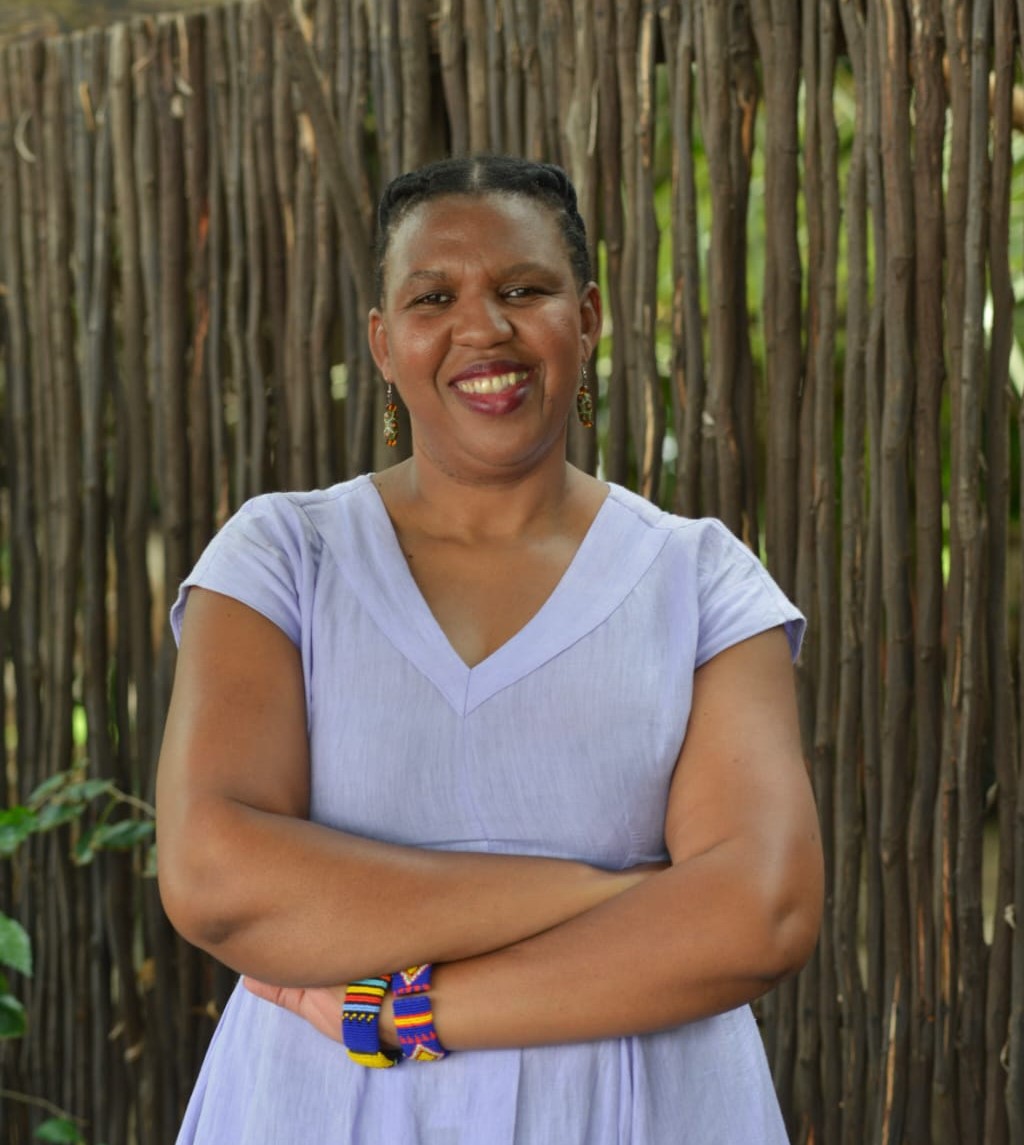
  • Introducing one of our panellists, Khuselwa Mxatule, Assistant Director of Impact and Learning at the Trevor Noah Foundation.

Khuselwa Mxatule is the Assistant Director of Impact and Learning at the Trevor Noah Foundation and a leading Monitoring, Evaluation, and Learning (MEL) specialist in South Africa’s non-profit sector.

With over a decade of experience in community development and education, Khuselwa’s work is driven by a strong commitment to data-informed decision-making and social impact, particularly for youth in under-resourced communities.

At the Trevor Noah Foundation, she leads the Impact and Learning function, overseeing the monitoring and evaluation of flagship initiatives such as the Khulani Schools Programme. Her role focuses on translating evidence and insights into actionable strategies and compelling communication that supports meaningful education reform.

Before joining the Foundation, Khuselwa spent seven years at the Global Campaign for Education, where she progressed to Knowledge, Exchange, and Learning Manager, managing monitoring processes across projects in 62 countries. Her earlier career includes programme design and implementation roles at prominent South African organisations, including SAEP, PASCAP, and Masifunde.

Originally from Gqeberha in the Eastern Cape, Khuselwa holds an MPhil in Monitoring and Evaluation from Stellenbosch University, an Honours degree in Development Studies from the University of the Western Cape, a Bachelor’s degree in Psychology from Nelson Mandela University, and a Diploma in Systems Development from Boston City Campus.

A former Zenex Foundation scholarship recipient, Khuselwa’s personal journey growing up in an under-resourced community continues to inspire her dedication to building accountable, impactful education systems that create real opportunities for young people.
Introducing one of our panellists, Dr Dolly Dlavane, South African academic and language advocate.

Dr Dolly Dlavane is a prominent South African academic and language advocate specialising in the development and promotion of African languages, particularly Setswana. 

She currently serves as Director of the Centre for African Language Teaching (CALT) at North-West University (NWU) and as Deputy Chairperson of the Pan South African Language Board (PanSALB), a constitutional body tasked with protecting and promoting South Africa’s official languages. 

Within PanSALB, she chairs the Core Mandate Committee, overseeing the board’s primary constitutional functions, and was reappointed in April 2025 for a second five-year term.

With over two decades of experience in language planning and education, Dr Dlavane previously served as Director of the Setswana National Language Body (2011–2019) and Deputy Chairperson of the Setswana Lexicography Unit (2005–2010). She is also the Subject Head for African Languages within NWU’s Faculty of Education.

Her academic qualifications include a PhD in Reading Literacy, an MA and BA Honours in Setswana from UNISA, and a BA from the University of the North. 

Dr Dlavane’s research and advocacy focus on the intellectualisation of African languages, promoting their use in scholarship and science, supporting multilingual pedagogy, and developing instructional frameworks for reading literacy in African languages. 

She is also a strong advocate for the UNESCO International Decade of Indigenous Languages (2022–2032), working to safeguard South Africa’s linguistic heritage.
Introducing one of our panellists, Dr Dolly Dlavane, South African academic and language advocate. Dr Dolly Dlavane is a prominent South African academic and language advocate specialising in the development and promotion of African languages, particularly Setswana. She currently serves as Director of the Centre for African Language Teaching (CALT) at North-West University (NWU) and as Deputy Chairperson of the Pan South African Language Board (PanSALB), a constitutional body tasked with protecting and promoting South Africa’s official languages. Within PanSALB, she chairs the Core Mandate Committee, overseeing the board’s primary constitutional functions, and was reappointed in April 2025 for a second five-year term. With over two decades of experience in language planning and education, Dr Dlavane previously served as Director of the Setswana National Language Body (2011–2019) and Deputy Chairperson of the Setswana Lexicography Unit (2005–2010). She is also the Subject Head for African Languages within NWU’s Faculty of Education. Her academic qualifications include a PhD in Reading Literacy, an MA and BA Honours in Setswana from UNISA, and a BA from the University of the North. Dr Dlavane’s research and advocacy focus on the intellectualisation of African languages, promoting their use in scholarship and science, supporting multilingual pedagogy, and developing instructional frameworks for reading literacy in African languages. She is also a strong advocate for the UNESCO International Decade of Indigenous Languages (2022–2032), working to safeguard South Africa’s linguistic heritage.
13 hours ago
View on Instagram |
1/4
Introducing one of our panellists, Kirsty Paxton, children’s author and educational specialist.

Kirsty is a Cape Town-born children’s author and educational specialist currently based in Canada, widely recognised for her expertise in early childhood development (ECD) and play-based learning. With a BSc and PGCE from the University of Cape Town, along with advanced studies at the University of Toronto, Kirsty’s career bridges academic research and creative storytelling.

Kirsty currently serves as Early Learning and Learning Design Head at SmartStart South Africa, where she leads the design and strengthening of early learning programmes at scale. She has also contributed to early learning strategies for global organisations such as the LEGO Foundation and Right To Play. In addition, Kirsty founded Artee Parteez, a company dedicated to “edutainment” through art and science.

Kirsty’s literary work is deeply rooted in African themes and the transformative power of imagination. 

Beyond fiction, she is a published researcher in the American Journal of Play, where she advocates for guided-play writing workshops. 

Her work highlights how playful, student-directed learning can help address educational challenges in developing contexts, positioning her as a leading voice in integrating play into primary education.
Introducing one of our panellists, Kirsty Paxton, children’s author and educational specialist. Kirsty is a Cape Town-born children’s author and educational specialist currently based in Canada, widely recognised for her expertise in early childhood development (ECD) and play-based learning. With a BSc and PGCE from the University of Cape Town, along with advanced studies at the University of Toronto, Kirsty’s career bridges academic research and creative storytelling. Kirsty currently serves as Early Learning and Learning Design Head at SmartStart South Africa, where she leads the design and strengthening of early learning programmes at scale. She has also contributed to early learning strategies for global organisations such as the LEGO Foundation and Right To Play. In addition, Kirsty founded Artee Parteez, a company dedicated to “edutainment” through art and science. Kirsty’s literary work is deeply rooted in African themes and the transformative power of imagination. Beyond fiction, she is a published researcher in the American Journal of Play, where she advocates for guided-play writing workshops. Her work highlights how playful, student-directed learning can help address educational challenges in developing contexts, positioning her as a leading voice in integrating play into primary education.
13 hours ago
View on Instagram |
2/4
Introducing one of our panellists, Maserame Mouyeme (née David), African languages expert.

Maserame Mouyeme has played a pivotal role within the African Academy of Languages (ACALAN), a specialised agency of the African Union (AU) dedicated to promoting and developing African languages. She currently serves on the African Languages Week Coordinating Committee for ACALAN-AU, a five-year commission focused on celebrating and institutionalising African Languages Week, raising the profile of indigenous languages in education, science, and government.

Her work combines strategic leadership and advocacy, leveraging her corporate background to strengthen ACALAN’s impact across the AU’s Sixth Region (the African Diaspora) and championing cross-border languages such as Kiswahili, IsiZulu, and Arabic to advance African integration and Agenda 2063 goals.

Maserame has represented the AU Social Affairs Department at high-level forums, including the Pan African Cultural Congress, working alongside diplomats and heads of state to promote people-centred development. Her leadership and influence in pan-African language advocacy were recognised when she was named among the 100 Most Reputable Africans in 2026.
Introducing one of our panellists, Maserame Mouyeme (née David), African languages expert. Maserame Mouyeme has played a pivotal role within the African Academy of Languages (ACALAN), a specialised agency of the African Union (AU) dedicated to promoting and developing African languages. She currently serves on the African Languages Week Coordinating Committee for ACALAN-AU, a five-year commission focused on celebrating and institutionalising African Languages Week, raising the profile of indigenous languages in education, science, and government. Her work combines strategic leadership and advocacy, leveraging her corporate background to strengthen ACALAN’s impact across the AU’s Sixth Region (the African Diaspora) and championing cross-border languages such as Kiswahili, IsiZulu, and Arabic to advance African integration and Agenda 2063 goals. Maserame has represented the AU Social Affairs Department at high-level forums, including the Pan African Cultural Congress, working alongside diplomats and heads of state to promote people-centred development. Her leadership and influence in pan-African language advocacy were recognised when she was named among the 100 Most Reputable Africans in 2026.
13 hours ago
View on Instagram |
3/4
Introducing one of our panellists, Khuselwa Mxatule, Assistant Director of Impact and Learning at the Trevor Noah Foundation.

Khuselwa Mxatule is the Assistant Director of Impact and Learning at the Trevor Noah Foundation and a leading Monitoring, Evaluation, and Learning (MEL) specialist in South Africa’s non-profit sector.

With over a decade of experience in community development and education, Khuselwa’s work is driven by a strong commitment to data-informed decision-making and social impact, particularly for youth in under-resourced communities.

At the Trevor Noah Foundation, she leads the Impact and Learning function, overseeing the monitoring and evaluation of flagship initiatives such as the Khulani Schools Programme. Her role focuses on translating evidence and insights into actionable strategies and compelling communication that supports meaningful education reform.

Before joining the Foundation, Khuselwa spent seven years at the Global Campaign for Education, where she progressed to Knowledge, Exchange, and Learning Manager, managing monitoring processes across projects in 62 countries. Her earlier career includes programme design and implementation roles at prominent South African organisations, including SAEP, PASCAP, and Masifunde.

Originally from Gqeberha in the Eastern Cape, Khuselwa holds an MPhil in Monitoring and Evaluation from Stellenbosch University, an Honours degree in Development Studies from the University of the Western Cape, a Bachelor’s degree in Psychology from Nelson Mandela University, and a Diploma in Systems Development from Boston City Campus.

A former Zenex Foundation scholarship recipient, Khuselwa’s personal journey growing up in an under-resourced community continues to inspire her dedication to building accountable, impactful education systems that create real opportunities for young people.
Introducing one of our panellists, Khuselwa Mxatule, Assistant Director of Impact and Learning at the Trevor Noah Foundation. Khuselwa Mxatule is the Assistant Director of Impact and Learning at the Trevor Noah Foundation and a leading Monitoring, Evaluation, and Learning (MEL) specialist in South Africa’s non-profit sector. With over a decade of experience in community development and education, Khuselwa’s work is driven by a strong commitment to data-informed decision-making and social impact, particularly for youth in under-resourced communities. At the Trevor Noah Foundation, she leads the Impact and Learning function, overseeing the monitoring and evaluation of flagship initiatives such as the Khulani Schools Programme. Her role focuses on translating evidence and insights into actionable strategies and compelling communication that supports meaningful education reform. Before joining the Foundation, Khuselwa spent seven years at the Global Campaign for Education, where she progressed to Knowledge, Exchange, and Learning Manager, managing monitoring processes across projects in 62 countries. Her earlier career includes programme design and implementation roles at prominent South African organisations, including SAEP, PASCAP, and Masifunde. Originally from Gqeberha in the Eastern Cape, Khuselwa holds an MPhil in Monitoring and Evaluation from Stellenbosch University, an Honours degree in Development Studies from the University of the Western Cape, a Bachelor’s degree in Psychology from Nelson Mandela University, and a Diploma in Systems Development from Boston City Campus. A former Zenex Foundation scholarship recipient, Khuselwa’s personal journey growing up in an under-resourced community continues to inspire her dedication to building accountable, impactful education systems that create real opportunities for young people.
14 hours ago
View on Instagram |
4/4

Become a Hero for Literacy

Join Nal’ibali as a volunteer and help spark a lifelong love of reading in children. Together, we can build a brighter future—one story at a time.

#NalibaliAndSledWrad2026

World Read
Aloud Month 2026

During the month of February

Help us read to
3 million children

Invest in a nation of readers!